Thai Peanut Sweet Potato Buddha Bowl: A Flavor Explosion
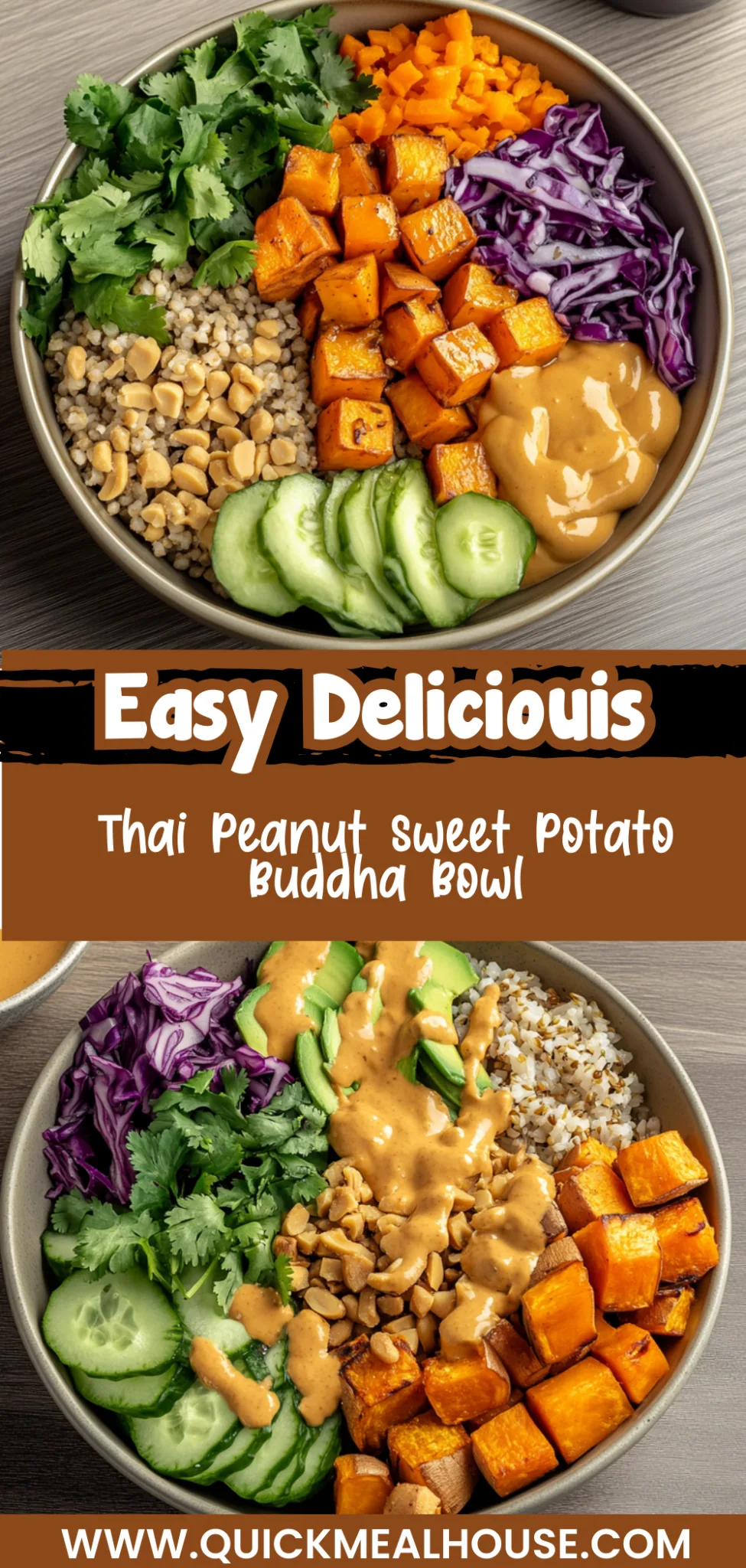
Imagine a vibrant bowl brimming with roasted sweet potatoes, their caramelized edges offering a tender contrast to crisp, fresh vegetables. The air is infused with the nutty aroma of a creamy Thai peanut sauce that glistens invitingly atop this colorful medley, promising a delightful explosion of flavor in every bite. This Thai Peanut Sweet Potato Buddha Bowl is not just a meal; it’s a comforting embrace on a busy weeknight or an elegant dish for a special gathering.
What sets this bowl apart is the harmony of textures and flavors, where each ingredient plays a crucial role—earthy sweetness from the potatoes, crunch from the veggies, and a luscious richness from the sauce. This recipe invites you to savor every spoonful, celebrating both nutrition and indulgence in one delightful dish. Gather your loved ones and experience the joy of sharing this nourishing creation together.
Why You’ll Love This Thai Peanut Sweet Potato Buddha Bowl
This Thai Peanut Sweet Potato Buddha Bowl is a delightful explosion of flavors and textures that will keep you coming back for more. The roasted sweet potatoes provide a comforting sweetness that beautifully complements the crunch of fresh vegetables like red bell pepper, cucumber, and carrots, while the creamy peanut sauce adds an irresistible richness with its notes of ginger and garlic. The combination of fluffy quinoa or brown rice with protein-packed chickpeas creates a nourishing base that leaves you feeling satisfied without weighing you down. With its vibrant colors and tantalizing aroma, this dish not only pleases the palate but also makes for a stunning presentation. Don’t wait another moment; dive into this bowl of goodness tonight!
What Kind of Sweet Potatoes Should I Use?
For this Thai Peanut Sweet Potato Buddha Bowl, it’s best to use medium-sized orange-fleshed sweet potatoes, such as Beauregard or Jewel varieties. These types are naturally sweet and creamy when roasted, offering a delightful contrast to the savory Thai peanut sauce. Their vibrant color and firm texture also hold up well during cooking, ensuring they become perfectly tender without losing their shape. If you opt for a different variety, such as white sweet potatoes, you may find them less sweet and slightly drier; in this case, consider adding a touch more maple syrup to your sauce or roasting them with a bit of oil to enhance moisture.
Ingredients for the Thai Peanut Sweet Potato Buddha Bowl
Each ingredient in this dish plays an essential role in flavor and texture. Here’s what you’ll need:
- 2 medium sweet potatoes (peeled and cubed): Provides a sweet and creamy base that complements the sauce.
- 2 cups cooked quinoa (or brown rice): Adds a hearty, nutty flavor along with a satisfying texture.
- 1 cup chickpeas (canned or cooked): Contributes protein and a delightful chewiness.
- 1 cup red bell pepper (sliced): Offers a crisp texture and a burst of sweetness.
- 1 cup cucumber (sliced): Adds refreshing crunch and lightness to the bowl.
- 1 cup carrots (shredded): Brings natural sweetness and vibrant color.
- 1 cup baby spinach: Infuses the dish with nutrients and a mild earthy flavor.
- 1/2 cup peanut butter (smooth): Creates a rich, creamy sauce that ties all flavors together.
- 3 tablespoons soy sauce (or tamari for gluten-free): Provides umami depth and savory notes to the sauce.
- 2 tablespoons maple syrup: Balances the saltiness with a touch of natural sweetness.
- 1 tablespoon lime juice (freshly squeezed): Brightens the dish with acidity and freshness.
- 1 teaspoon ginger (grated): Adds warmth and a hint of spice to the sauce.
- 1 clove garlic (minced): Introduces aromatic depth and enhances overall flavor.
- 2-4 tablespoons water (to thin sauce): Adjusts the sauce consistency for perfect drizzling.
- 1/4 cup chopped peanuts (for garnish): Provides crunchy texture and enhances nuttiness.
- 1/4 cup fresh cilantro (chopped): Adds a fresh, herbal note that brightens the dish.
- 1 tablespoon sesame seeds (optional): Offers a toasty finish and extra visual appeal.
How To Make the Thai Peanut Sweet Potato Buddha Bowl
Preheat the Oven
Begin by preheating your oven to 400°F (200°C). This temperature ensures that your sweet potatoes will roast evenly, developing a lovely caramelized flavor.
Roast the Sweet Potatoes
Toss the cubed sweet potatoes in a bowl with olive oil, salt, and pepper. Lay them out in a single layer on a baking sheet and roast for 25-30 minutes. They should be tender and lightly browned when done, which adds depth to the overall flavor of your Buddha bowl.
Prepare the Thai Peanut Sauce
In a mixing bowl, combine smooth peanut butter, soy sauce, maple syrup, freshly squeezed lime juice, grated ginger, and minced garlic. Whisk these ingredients together until you achieve a smooth consistency, adding 2-4 tablespoons of water as needed to thin the sauce for a drizzle-worthy texture.
Assemble the Bowl Base
In each serving bowl, start by layering 1 cup of cooked quinoa or brown rice as your base. Next, add in the roasted sweet potatoes and 1 cup of chickpeas for protein. This combination provides a hearty foundation for your Buddha bowl.
Add Fresh Vegetables
Top your quinoa and sweet potato base with an assortment of fresh vegetables: sliced red bell pepper, cucumber, shredded carrots, and baby spinach. The vibrant colors not only make the dish visually appealing but also enhance its nutritional profile.
Drizzle with Sauce and Garnish
Generously drizzle your prepared Thai peanut sauce over each assembled bowl. Finish with a sprinkle of chopped peanuts and fresh cilantro for added crunch and freshness. If you like, you can also add sesame seeds for an extra layer of flavor. Enjoy this nutritious meal that’s packed with flavor!
How to Serve and Store Thai Peanut Sweet Potato Buddha Bowl
This recipe yields 4 satisfying servings, perfect for a wholesome meal shared with family or friends. To serve, layer the roasted sweet potatoes, quinoa or brown rice, and chickpeas in a bowl, then generously drizzle with the creamy Thai peanut sauce. Garnish with chopped peanuts, fresh cilantro, and a sprinkle of sesame seeds for added texture and flavor, making each bite a delightful mix of colors and tastes.
For storage, keep any leftovers in an airtight container in the fridge for up to 3 days. When reheating, gently warm the bowl base on low heat and add a splash of water or vegetable broth to maintain moisture and prevent drying out. Note that while the Buddha bowl can be refrigerated well, freezing is not recommended as it may alter the texture of the vegetables and quinoa.
Coconut Rice
This fragrant coconut rice adds a creamy, tropical twist that beautifully complements the rich flavors of the Thai peanut sauce.
Roasted Broccoli
Crispy roasted broccoli provides a delightful crunch and a slight bitterness that balances the sweetness of the sweet potatoes and peanut sauce.
Garlic Naan
Warm and pillowy garlic naan is perfect for scooping up the Buddha bowl’s ingredients, enhancing each bite with its savory flavor.
Crunchy Asian Slaw
A zesty Asian slaw made with cabbage and carrots adds a refreshing crunch that contrasts wonderfully with the creamy peanut sauce.
Sweet Potato Fries
These crispy sweet potato fries offer a satisfying texture and echo the sweet notes in your Buddha bowl, making for an irresistible pairing.
Sesame Cucumber Salad
Light and refreshing, a sesame cucumber salad not only adds a crisp texture but also brings an extra layer of umami to your meal.
Quinoa Tabbouleh
This herbaceous quinoa tabbouleh introduces bright flavors from parsley and mint, perfectly complementing the earthy components of the Buddha bowl.
Can I use brown rice instead of quinoa in this recipe? Yes, brown rice is a great alternative to quinoa for the Buddha bowl. Just make sure to adjust the cooking time according to the package instructions for the rice to ensure it’s fully cooked.
Is this Thai Peanut Sweet Potato Buddha Bowl gluten-free? Yes, it can easily be made gluten-free by using tamari instead of soy sauce in the peanut sauce. All other ingredients are naturally gluten-free as well.
Can I make this Buddha bowl ahead of time? Absolutely! You can roast the sweet potatoes and prepare the Thai peanut sauce in advance. Store them separately in airtight containers in the fridge, and assemble your bowls just before serving for the best flavor and texture.
How do I know when my sweet potatoes are done roasting? Your sweet potatoes are ready when they are tender and slightly caramelized around the edges. A fork should easily pierce through them after about 25-30 minutes at 400°F (200°C).
Can I add different vegetables to my Buddha bowl? Definitely! Feel free to customize your bowl with any vegetables you enjoy. Broccoli, snap peas, or even roasted Brussels sprouts would work beautifully with the sweet potatoes and Thai peanut sauce.
Final Thoughts
The Thai Peanut Sweet Potato Buddha Bowl is not just a meal; it’s a celebration of vibrant flavors and wholesome ingredients that will surely delight your taste buds. For more delicious options, try our [Rainbow Quinoa Salad] or [Crispy Tofu Stir-Fry] to keep the nutritious theme going. We’d love for you to save this recipe on Pinterest and share your culinary creations with us in the comments!
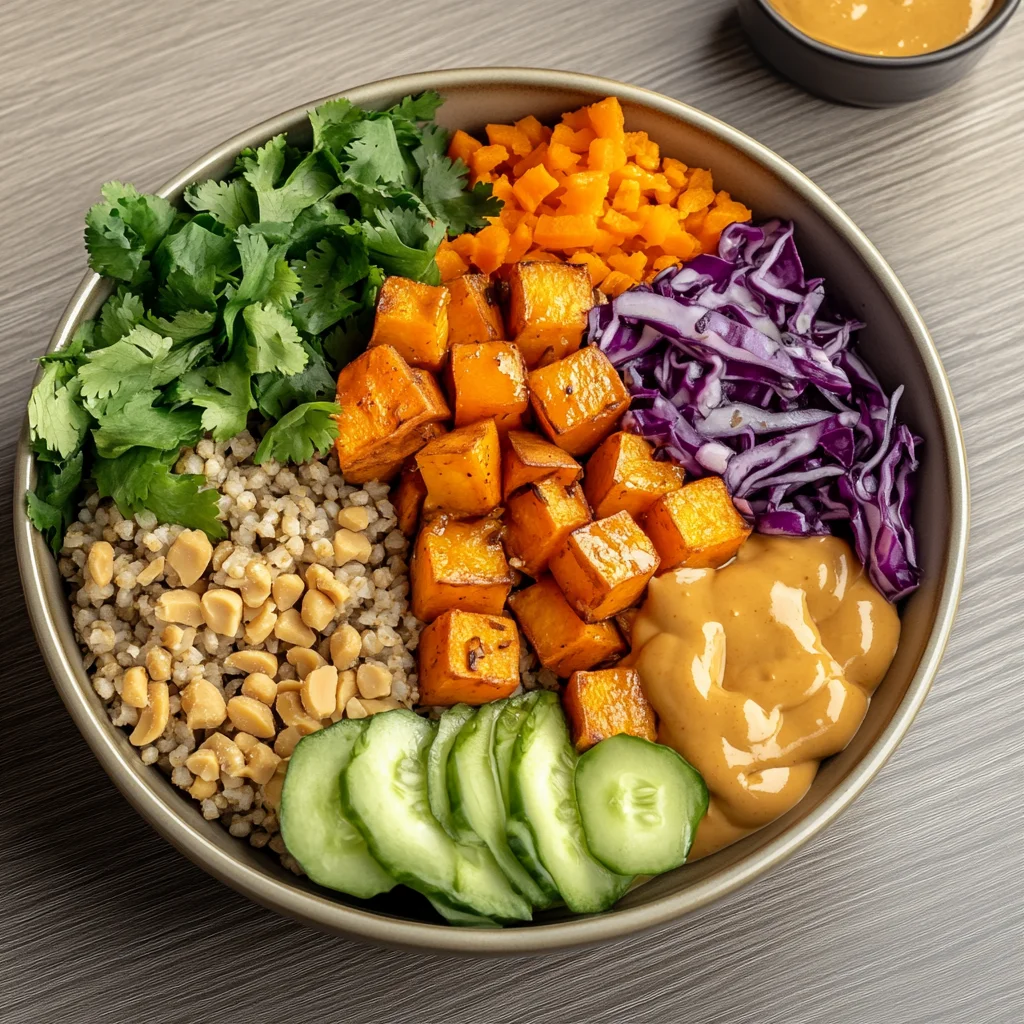
Thai Peanut Sweet Potato Buddha Bowl
Ingredients
Method
- Preheat the oven to 400°F (200°C).
- Toss the cubed sweet potatoes with olive oil, salt, and pepper.
- Spread them on a baking sheet and roast for 25-30 minutes until tender.
- In a mixing bowl, combine peanut butter, soy sauce, maple syrup, lime juice, ginger, and garlic.
- Whisk until smooth, adding water to reach desired consistency.
- In each bowl, layer cooked quinoa, roasted sweet potatoes, chickpeas, and fresh vegetables.
- Drizzle with Thai peanut sauce and top with chopped peanuts, cilantro, and sesame seeds.