Bake Irresistible Rustic German Bread at Home Today!
There’s something incredibly comforting about the aroma of fresh bread wafting through your home. Rustic German Bread is one of those recipes that brings warmth and joy, filling your kitchen with a delightful scent that invites everyone to gather around. This bread is not just about nourishment; it’s about creating memories, whether you’re sharing it with family during a cozy dinner or enjoying a slice with your favorite jam on a lazy Sunday morning.
What I love most about this Rustic German Bread is its versatility. It pairs beautifully with hearty soups and stews, or you can savor it on its own, perhaps slathered with some butter. No matter the occasion, this bread is sure to impress and satisfy.
Why You’ll Love This Recipe
– Perfect texture: This bread has a rustic, chewy texture that makes every bite satisfying.
– Simple ingredients: You likely have most of these ingredients in your pantry already.
– Homemade goodness: There’s nothing like the taste of homemade bread fresh from your oven.
– Versatile companion: Enjoy it alongside meals or spread with your favorite toppings for breakfast.
– Easy to make: With straightforward steps, even beginner bakers can create this delightful loaf.
Ingredients You’ll Need
Baking should be fun and not overly complicated! Here’s what you’ll need to create your own Rustic German Bread. Gather these simple ingredients, and let’s get started!
For the Dough
– 350 ml water (room temperature)
– 1 tablespoon sugar
– 8 grams dry yeast
– 25 ml sunflower oil
– 500 grams flour (plus extra for dusting)
Variations
One of the great things about baking is the opportunity to get creative! Here are some fun variations to try out with your Rustic German Bread:
– Add herbs: Mix in dried herbs like rosemary or thyme for an aromatic twist.
– Incorporate seeds: Sprinkle in some sunflower seeds or pumpkin seeds for added texture and flavor.
– Experiment with flours: Swap part of the all-purpose flour for whole wheat flour for a heartier loaf.
– Try different shapes: Instead of a traditional loaf, shape the dough into rolls or a round boule for fun presentation.
How to Make Rustic German Bread
Step 1: Prepare the Yeast Mixture
In a large bowl, pour 350 ml of water and add 1 tablespoon of sugar along with 8 grams of dry yeast. Stir gently until everything is dissolved. Cover the bowl and let it sit for 5 minutes until it becomes frothy. This step is crucial as it activates the yeast, which is what makes your bread rise beautifully.
Step 2: Combine Ingredients
Once your yeast mixture is frothy, add 25 ml of sunflower oil to it. Gradually sift in 500 grams of flour while stirring to combine. Mixing these ingredients well creates a sticky dough that will form the base of our rustic loaf.
Step 3: Allow Dough to Rise
Mix until you have a sticky dough formed. Cover the bowl again and place it in a warm area to rise for about an hour or until it doubles in size. This rising process allows air bubbles to develop in the dough, giving your bread its delightful lightness.
Step 4: Develop Gluten
After an hour, stir the dough gently to release any trapped air bubbles. Cover again and let it rest for another 30 minutes. This resting period helps develop gluten, which gives your bread structure and chewiness.
Step 5: Shape Your Dough
Lightly flour a surface and roll out your dough into a rectangle shape before folding it over itself. Let it rest for another 10 minutes; this makes shaping much easier! After resting, shape the dough into either a loaf or rolls depending on your preference.
Step 6: Prepare for Baking
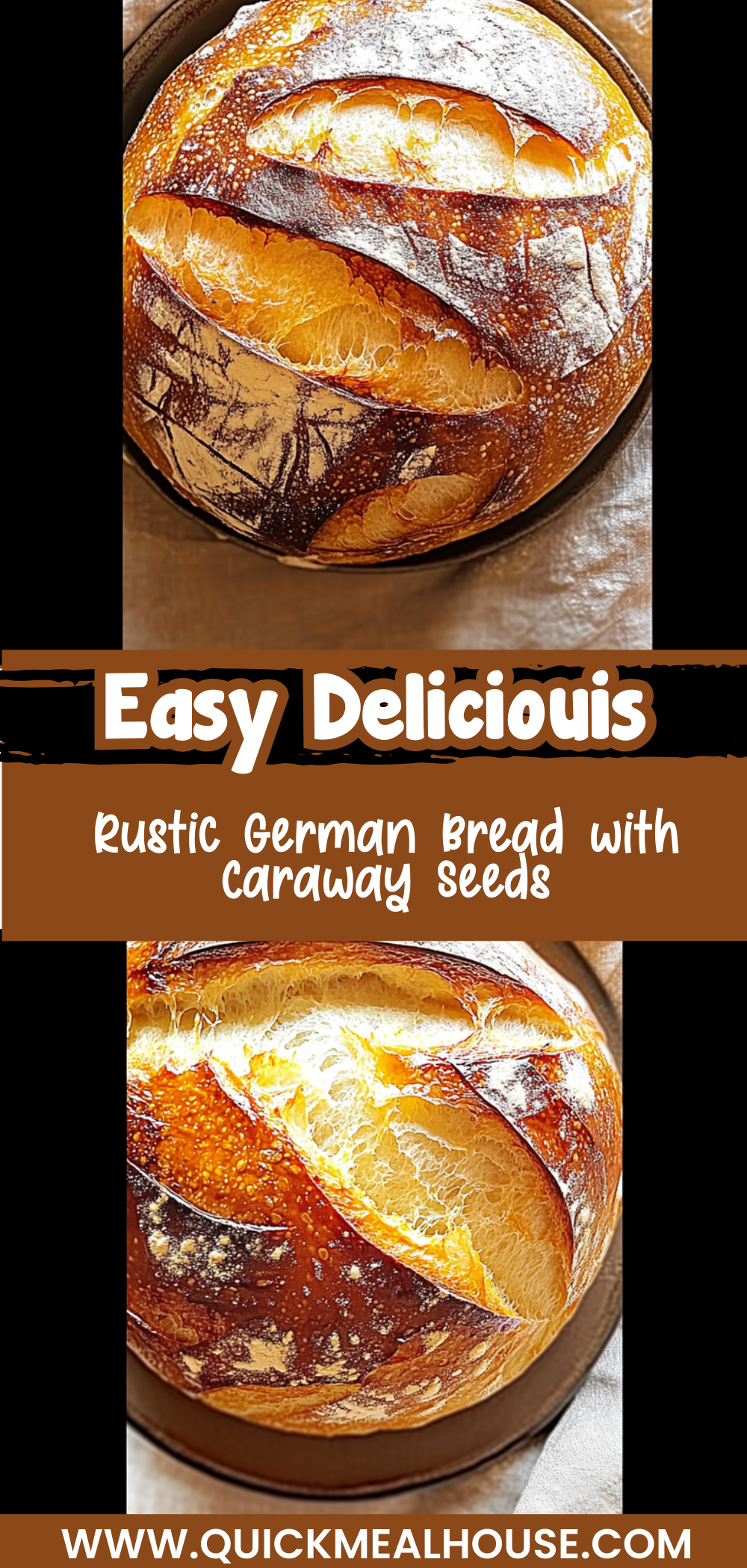
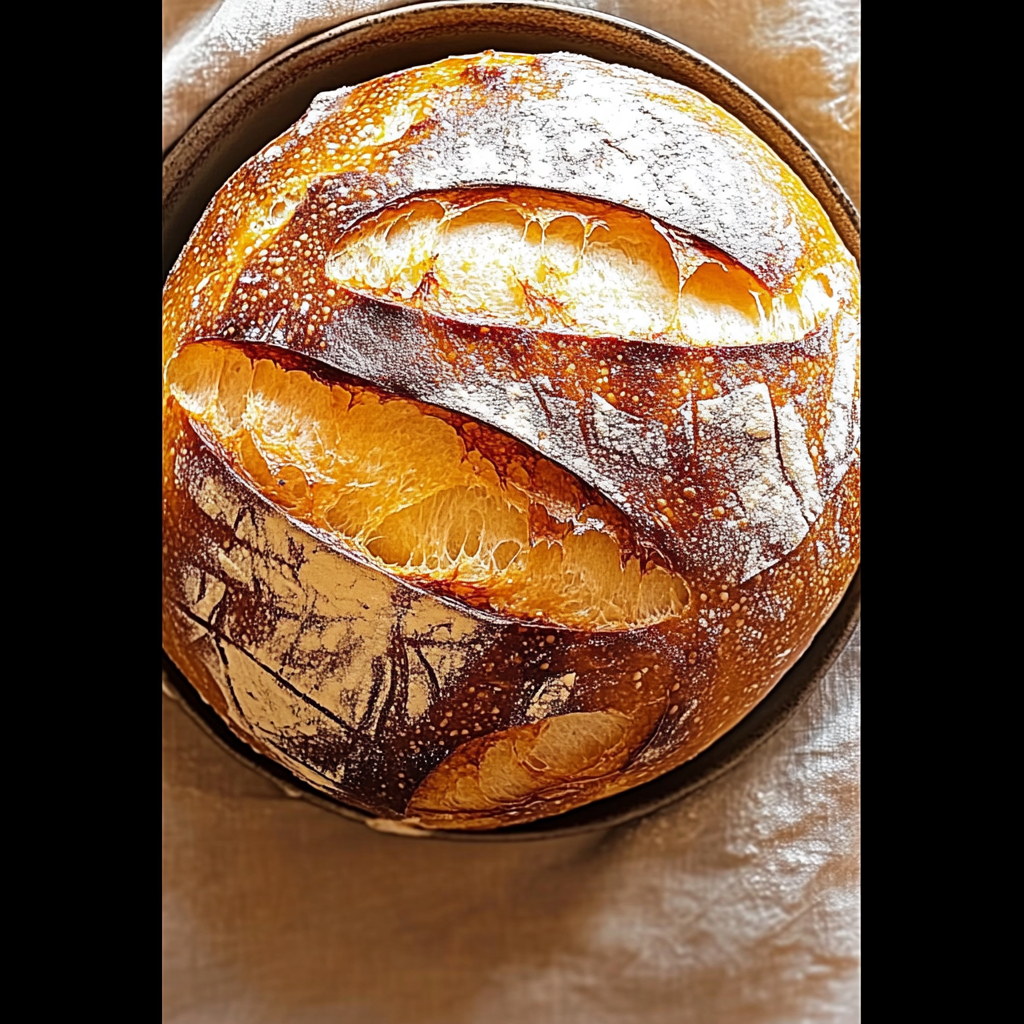
Place your shaped dough onto a lined baking tray. Use a sharp knife to make decorative slashes on top—this not only looks beautiful but also allows steam to escape while baking. Preheat your oven to 230°C (446°F) and bake for about 30–40 minutes until golden brown.
Step 7: Cool and Enjoy
Once baked, remove from the oven and let cool on a wire rack. The aroma will be irresistible! Enjoy your Rustic German Bread warm or at room temperature—whether it’s as part of a meal or simply on its own.
Now that you have all these steps laid out, you’re ready to bake up some delicious memories with this wonderful Rustic German Bread recipe! Happy baking!
Pro Tips for Making Rustic German Bread
Making Rustic German Bread at home can be a delightful experience. With the right techniques, you can create a loaf that is not only delicious but also impressively rustic. Here are some tips to help you achieve the best results:
– Use room temperature water: This helps activate the yeast properly, ensuring a good rise and texture in your bread.
– Knead thoroughly: While this recipe doesn’t require extensive kneading, make sure to work the dough enough to develop gluten for that chewy texture.
– Allow for proper rising: Be patient and let your dough rise until it has doubled in size. This is crucial for a light and airy loaf.
– Experiment with flour types: For a different flavor profile, try mixing in whole wheat or rye flour with your all-purpose flour.
– Keep an eye on baking time: Ovens can vary, so check your bread a few minutes before the suggested baking time to avoid over-browning.
How to Serve Rustic German Bread
Rustic German Bread is incredibly versatile and pairs beautifully with a variety of dishes. Whether you’re enjoying it fresh from the oven or serving it at a gathering, here are some delightful ideas:
Garnishes
– Fresh herbs: Sprinkle chopped parsley or chives on top for a fresh touch.
– Sea salt flakes: A pinch of flaky sea salt enhances the bread’s rustic charm.
– Olive oil drizzle: Serve with high-quality olive oil for dipping to complement the flavor.
Side Dishes
– Hearty soups: Pair with lentil soup, pumpkin soup, or vegetable stew for a comforting meal.
– Salads: A side of mixed greens dressed with vinaigrette balances the bread’s richness.
– Cheese platter: Serve alongside your favorite cheeses for a delicious appetizer spread.
– Pickled vegetables: The acidity of pickled cucumbers or onions contrasts nicely with the bread’s texture.
Make Ahead and Storage
If you love meal prep, making Rustic German Bread ahead of time can be incredibly rewarding. Here’s how to store it properly:
Storing Leftovers
– Cool completely before storing: Allow your bread to cool on a wire rack; this prevents moisture buildup.
– Use an airtight container or bag: Store in a sealed bag or container at room temperature for up to 3 days.
Freezing
– Slice before freezing: Cutting your loaf into slices makes it easier to thaw only what you need later.
– Wrap tightly: Use plastic wrap followed by aluminum foil or place in an airtight freezer bag to prevent freezer burn.
Reheating
– Thaw at room temperature: For best results, let frozen slices sit at room temperature for about 30 minutes before reheating.
– Warm in the oven: Preheat your oven to 180°C (350°F) and bake wrapped in foil for about 10 minutes until heated through.
FAQs
If you’re new to baking rustic bread, you might have some questions. Here are answers to common queries:
Can I use active dry yeast instead of dry yeast?
Yes, you can use active dry yeast. Just make sure to activate it in warm water first before adding it to your mixture.
Why did my bread not rise?
Several factors could affect rising, such as expired yeast, too cold of an environment, or not allowing enough time for fermentation. Ensure all ingredients are fresh and give your dough time to rise.
Can I add seeds or nuts?
Absolutely! Feel free to mix in sunflower seeds, pumpkin seeds, or chopped nuts into your dough for added flavor and texture.
Final Thoughts
Baking Rustic German Bread is not just about creating something delicious; it’s about enjoying the process and sharing it with loved ones. Don’t hesitate to try out this recipe—whether it’s your first time or you’re a seasoned baker. Your kitchen will fill with wonderful aromas that invite everyone to gather around. Happy baking!
Rustic German Bread
Ingredients
Method
- In a large bowl, pour 350 ml of water and add 1 tablespoon of sugar along with 8 grams of dry yeast. Stir gently until everything is dissolved. Cover the bowl and let it sit for 5 minutes until it becomes frothy.
- Once your yeast mixture is frothy, add 25 ml of sunflower oil to it. Gradually sift in 500 grams of flour while stirring to combine.
- Mix until you have a sticky dough formed. Cover the bowl again and place it in a warm area to rise for about an hour or until it doubles in size.
- After an hour, stir the dough gently to release any trapped air bubbles. Cover again and let it rest for another 30 minutes.
- Lightly flour a surface and roll out your dough into a rectangle shape before folding it over itself. Let it rest for another 10 minutes.
- Place your shaped dough onto a lined baking tray. Use a sharp knife to make decorative slashes on top. Preheat your oven to 230°C (446°F) and bake for about 30–40 minutes until golden brown.
- Once baked, remove from the oven and let cool on a wire rack.